

imagine
a world where all kids have equal arts education.
a world where all kids have access to high-quality, standards-based visual arts education.
create

High-quality art education empowers students to develop creative expression and find their visual voice, it has the potential to be transformational in student’s lives.
Educators working with special needs students attest to the transformational power of arts education in their students’ lives. (Malley & Silverstein, 2014)

The act of creating art presents openings for diverse and variable expressions, responses, and outcomes in special needs students and may be their only method of success in an academic setting. (Thurlow, 2012)
Communication is a ‘foundational priority’ for education. Regardless of the severity of disability, most students have the means to communicate.
In the creation of the arts, ‘the goal is to have students ‘express their needs, desires, questions, and comments about their lives and their world.’ (Kleinert, et al., 2013)
national visual arts standards-based curriculum for all students.
adapt

Students with disabilities are challenged to excel in the visual arts classes by maintaining high expectations and using Core Visual Arts Standards that help them prepare for successful post-secondary school education, careers, and lives in the community. (Thurlow, 2012)
reimagine
art for all kids, where special needs students have equal arts education with their gen-ed peers.
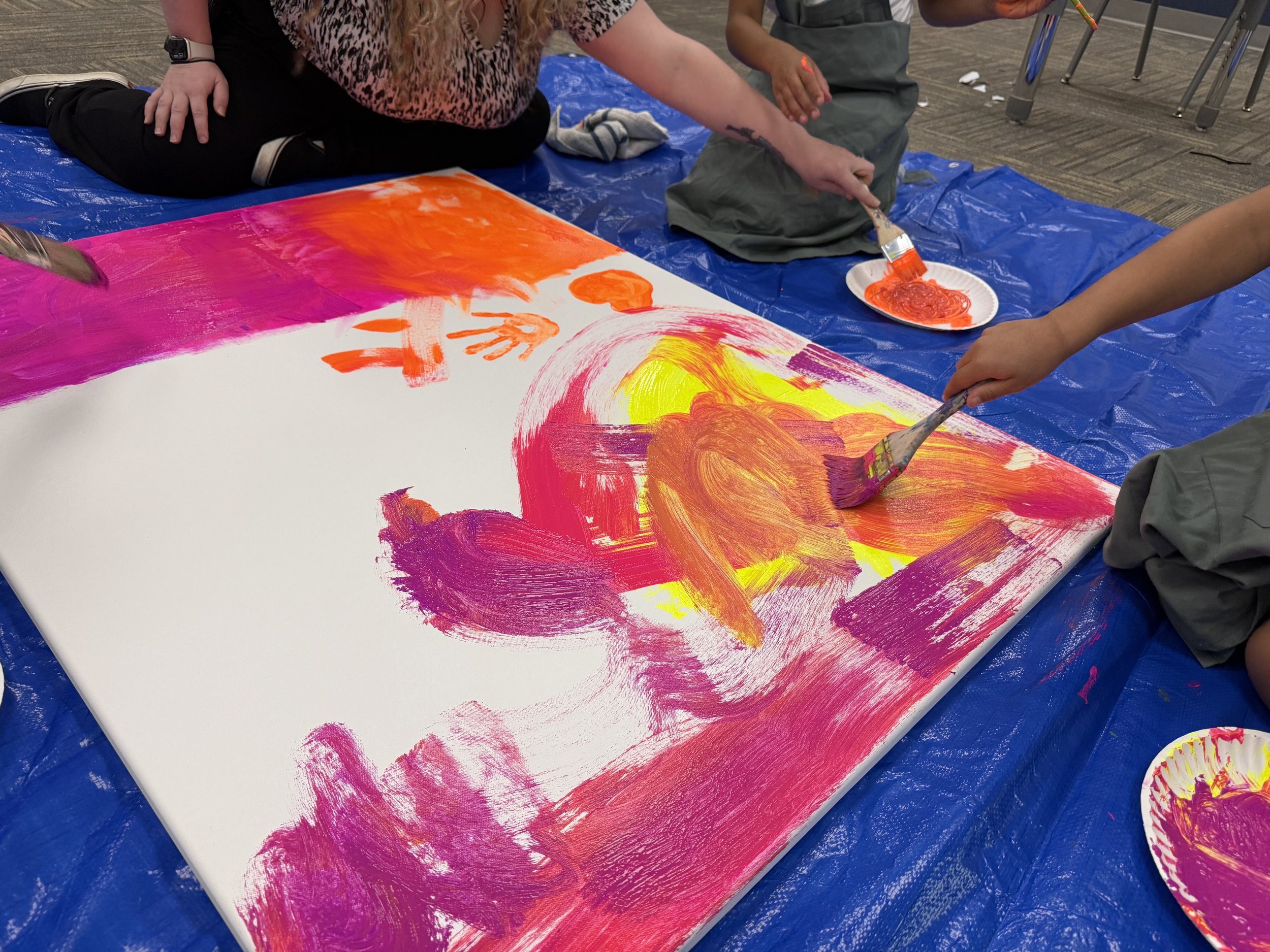
Visual arts provide unique opportunities to convey sophisticated ideas, develop creative expression, experience validation of their work, and help students find their own unique creative voices. (Malley & Silverstein, 2014)
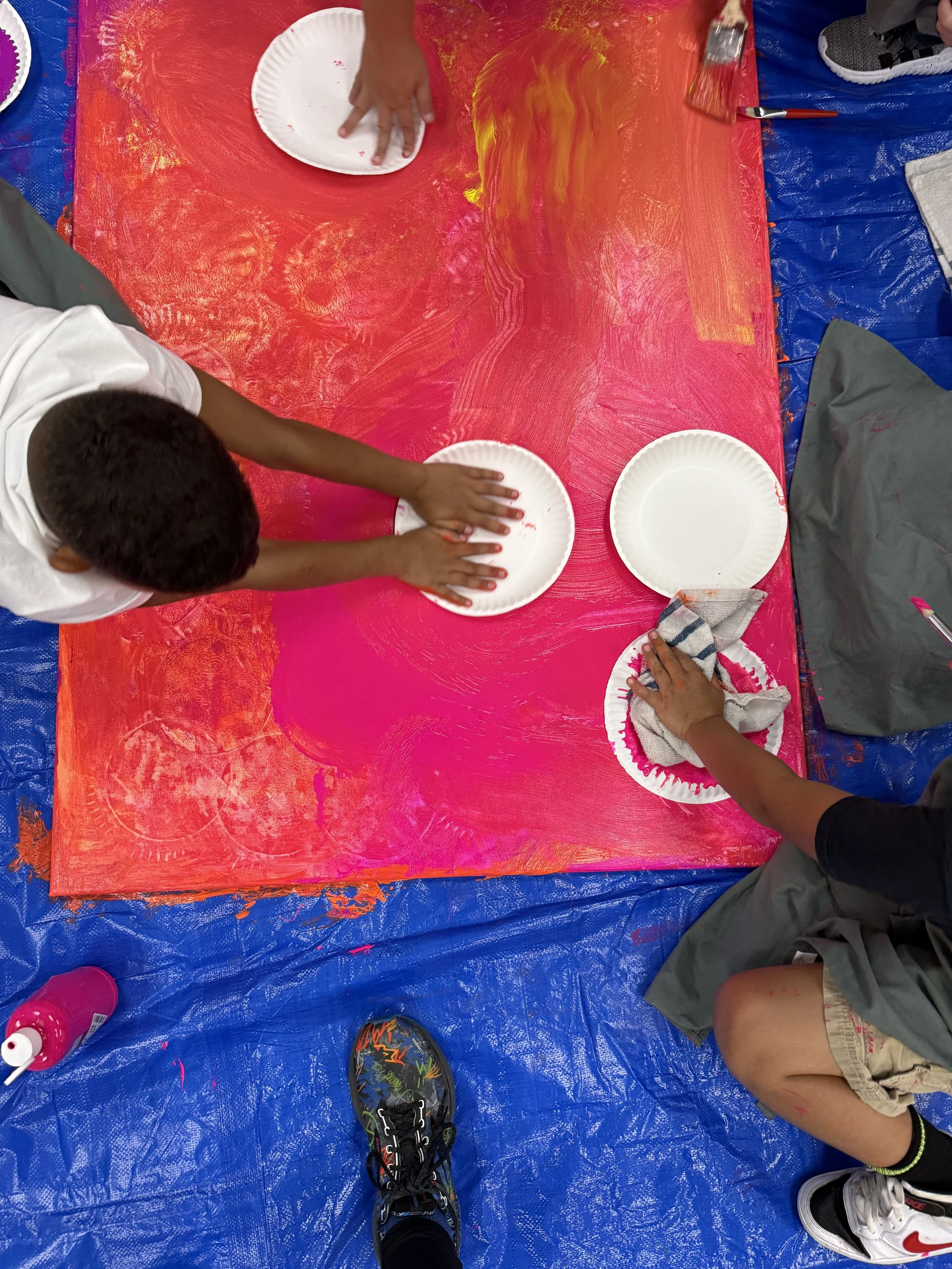
Art education has a positive impact on the academic and social/emotional growth of students with disabilities. (Malley & Silverstein, 2014)
Motor skills are a strong predictor of academic achievement and that children who lack satisfactory fine motor skills are likely to suffer in other academic areas (Minuci, 2019, p 27).

Frustration from the difficulties they (special needs/behavior students) encounter can lead them to resist and avoid activities that require the specific motor abilities they are having trouble with. (Morrow, 2015).


art, adapted.,
an adapted art consulting and education company, working to provide high-quality visual arts education to all students, no matter their ability.
students develop creative expression through the arts.
adapt.
Artistic literacy is “a human right and a teachable skill. It is the ability to connect both personally and meaningfully to works of art and, through this process, to forge connections to our humanity and the humanity of others.”
The Artistic Literacy Institute